
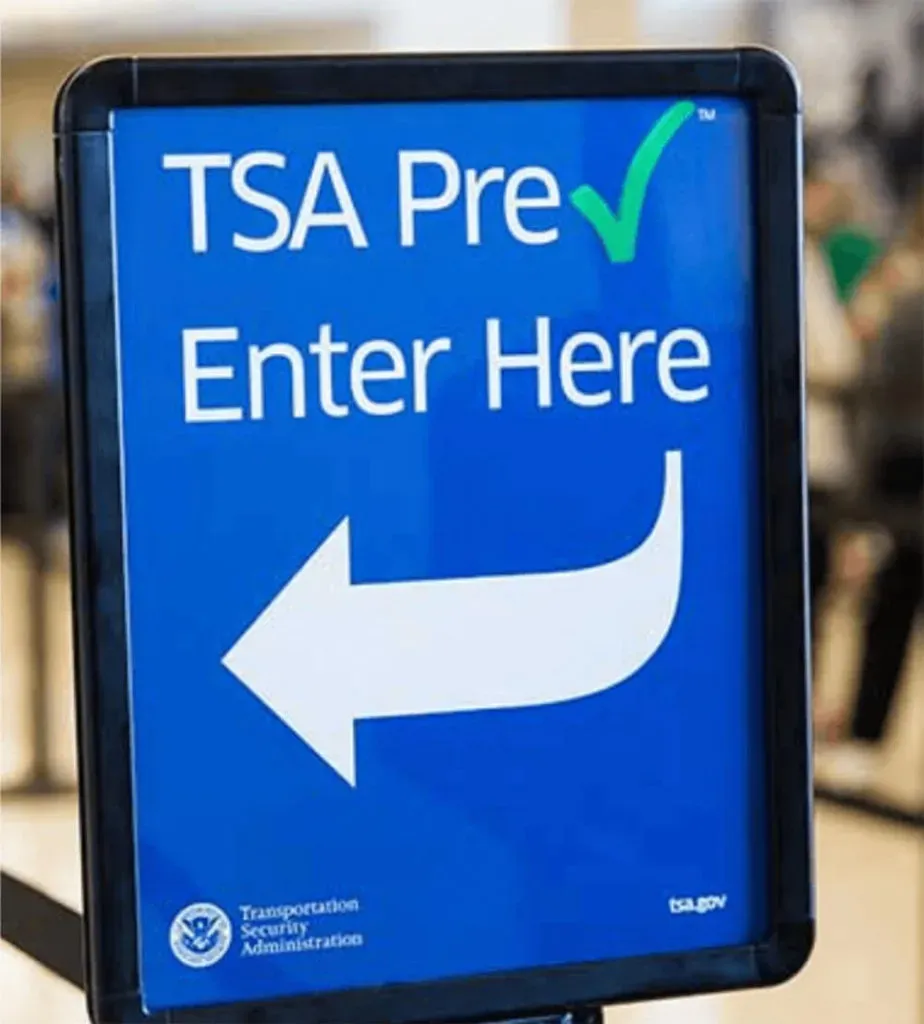
The TSA PreCheck scam is a growing concern for travelers looking to streamline their airport experience. As the demand for TSA PreCheck increases, so does the cunning of scammers who prey on unsuspecting individuals. Fake websites and phishing emails are now threatening to compromise your personal information and financial security. With travel fraud warnings on the rise, it’s crucial to know how to avoid scams when applying for TSA PreCheck. Follow these TSA security tips to ensure a safe and legitimate enrollment process while safeguarding your travel plans.
As more individuals seek expedited airport security screening, the prevalence of fraudulent activities masquerading as the TSA PreCheck application process has escalated. Cybercriminals are utilizing deceptive tactics to lure travelers into their traps, including impersonating official TSA communications. With the rise in travel-related scams, it’s imperative for all flyers to be informed about protective measures against such deceitful practices. By recognizing warning signs and understanding how to identify legitimate application channels, travelers can protect themselves against these menacing threats. Equip yourself with essential knowledge to navigate the complexities of the TSA application process securely.
Understanding TSA PreCheck Scams
TSA PreCheck offers travelers the chance to enjoy expedited security screening at airports, but its popularity has made it a prime target for scams. Fraudsters create fake websites that closely mimic the official TSA site, enticing travelers to submit personal information and payment. These fraudulent activities often take the form of phishing scams, where deceptive emails containing links to these fake portals are sent out to unsuspecting travelers, hoping to steal their data under the guise of an expedited enrollment process.
Recognizing TSA PreCheck scams is crucial in today’s digital age. Travelers should remain vigilant when decoding seemingly legitimate communications about TSA PreCheck. The FBI and FTC have cracked down on these scams, warning the public that a secure TSA PreCheck application can only be submitted through the official government site, tsa.gov/precheck. Carrying out due diligence by verifying web addresses and being cautious with unsolicited emails can help individuals avoid falling prey to scams that capitalize on travel anxieties.
How to Identify Phishing Scams Effectively
Phishing scams often mimic official communication, which can create a false sense of security for travelers. Emails that urge immediate action or contain special offers, like fast-track TSA PreCheck enrollment, should raise suspicion. Tricksters often deliver these emails with forged logos and language that sounds just like the TSA, prompting urgency in recipients. To avoid these scams, it’s vital to analyze the source of the message thoroughly and verify authenticity.
Always remember, legitimate agencies like the TSA will not rush you with messages demanding immediate action or payment through a third-party website. When analyzing an email, look for discrepancies such as poor grammar, unusual sending addresses, or generic greetings. Following these TSA security tips can arm travelers against potential phishing scams, ensuring that their travel plans remain secure and enjoyable.
Essential TSA PreCheck Safety Tips
To navigate the TSA PreCheck process safely, travelers should adopt a few essential TSA PreCheck safety tips. Firstly, it’s imperative to visit the official TSA website directly by typing the URL into your browser instead of clicking on links in emails or texts. This simple act can prevent you from landing on a fraudulent site. Additionally, always ensure you see ‘https://’ at the beginning of the web address and a ‘.gov’ domain, as these are indicators of an official and secure site.
Another critical piece of advice is to avoid paying for your TSA PreCheck application online if you’re applying for the first time. Go to a TSA enrollment center in person to process your application and payments safely. By sticking to these TSA safety tips, travelers can protect themselves against deceptive practices designed to exploit those eager to streamline their security experiences.
Recognizing Travel Fraud Warnings
Travel fraud warning signs can help travelers stay informed and avoid scams that target their personal information. Common indicators include offers that seem too good to be true, such as promises of immediate TSA PreCheck approval without background checks, which are unrealistic. If an email or pop-up competing for your attention makes unrealistic promises, it’s essential to be skeptical and investigate further.
Furthermore, the TSA and agencies like the FTC continuously update the public on emerging scams. Keeping abreast of these travel fraud warnings can empower travelers to recognize red flags. By following trusted updates from federal agencies and sharing information with fellow travelers, individuals can collectively strengthen their defenses against scams targeting TSA services.
Steps to Avoid TSA PreCheck Scams
Avoiding TSA PreCheck scams involves several proactive measures that travelers can take to protect themselves. One of the most effective strategies is to educate oneself about the application process and familiarize yourself with the official procedures outlined on tsa.gov/precheck. By knowing what to expect, you’re less likely to be swayed by fraudulent offers appearing in emails or search results.
Additionally, trust your instincts when navigating online. If something feels off, such as pressure to act or a lack of transparency regarding fees and processes, it is best to step back and reassess your options. By employing these strategies on how to avoid scams, travelers can safeguard their personal information and ensure that their TSA PreCheck experience remains secure and hassle-free.
The Importance of Multi-Factor Authentication (MFA)
Multi-Factor Authentication (MFA) adds a robust layer of security to any online account associated with travel plans, including TSA PreCheck. By requiring additional verification, such as a text message or authentication app approval alongside your password, MFA makes it significantly harder for scammers to gain unauthorized access to your accounts. This is especially crucial for maintaining the safety of personal information that could be exploited in phishing scams.
Adapting to MFA practices not only enhances your security profile but also serves as a deterrent against identity theft. Travelers should incorporate MFA on their TSA PreCheck accounts and any other platforms where their personal or financial details are stored. By embracing this preventive measure, individuals can better protect themselves and their travel experiences from potential fraud.
Recognizing HTTPS and .gov Domains
Understanding the importance of HTTPS and .gov domains is fundamental in avoiding TSA PreCheck scams and ensuring online safety. Websites with ‘https://’ are safer for inputting personal information, as they indicate that the site has implemented SSL encryption. Always check for this security feature when handling sensitive tasks like applying for TSA PreCheck, as scammers often use unsecure formats to capture data.
Additionally, sites that end with ‘.gov’ signify that they are government-related and should be the only platforms you trust for good. Sites claiming to offer TSA PreCheck services that use different endings like ‘.com’ or ‘.org’ are likely scams. By adhering to these guidelines, travelers can significantly reduce their risk of falling victim to phishing scams targeting TSA services.
The Role of Personal Data Removal Services
Personal data removal services can play a pivotal role in safeguarding travelers against scams, including TSA PreCheck phishing schemes. By actively removing information from data broker sites, these services help reduce the likelihood of being targeted by malicious actors seeking personal information online. Given the rise of scams in the travel industry, opting for a data removal service provides an added layer of protection.
Moreover, travelers should consider combining these services with ongoing personal diligence when managing their online presence. Regularly monitoring privacy settings and practicing safe online behaviors can enhance the effectiveness of personal data removal services, ensuring that individuals can focus on their travels without undue worry about being scammed.
Reporting Suspicious Activities Effectively
Reporting suspicious activities is a crucial aspect of combating TSA PreCheck scams and protecting fellow travelers. If you encounter any communication or website that seems fraudulent, make sure to report it immediately through the appropriate authorities. Websites like ReportFraud.ftc.gov are designed to handle such complaints and contribute to broader efforts against fraud that prey on travelers.
Taking this step not only helps to keep your personal information safe but also aids in preventing future scams from reaching others. By staying vigilant and proactive, individuals can cultivate a community of informed travelers who work together to combat TSA PreCheck scams and other fraudulent schemes targeting innocent users.
Frequently Asked Questions
What is the TSA PreCheck scam and how can I identify it?
The TSA PreCheck scam involves fake websites and phishing emails that impersonate the official TSA PreCheck enrollment process. To identify this scam, look for suspicious emails asking for personal information or payment. Always access the TSA PreCheck enrollment through the official site, tsa.gov/precheck.
How can I protect myself from TSA PreCheck phishing scams?
To protect against TSA PreCheck phishing scams, use only the official TSA website for enrollment. Avoid clicking links in emails that seem too good to be true, and never pay for your first-time application online. Verify the site has ‘https://’ and ends with ‘.gov’ before entering any personal information.
What should I do if I receive a suspicious email about TSA PreCheck?
If you receive a suspicious email regarding TSA PreCheck, do not click any links or provide any personal information. Instead, report the email to ReportFraud.ftc.gov and forward it to the TSA’s official contact channels to help combat the scam.
Are there any TSA PreCheck safety tips I should be aware of during application?
Yes, important TSA PreCheck safety tips include using their official site at tsa.gov/precheck for application, checking URLs for ‘https://’ and ‘.gov’, not paying online for your first application, and being wary of pressures to act quickly or provide personal information.
What is a travel fraud warning related to TSA PreCheck scams?
A travel fraud warning related to TSA PreCheck scams highlights the dangers of fake enrollment websites and phishing emails targeting potential applicants. It’s critical to remain cautious, ensure you’re navigating to the official TSA site, and report any suspicious activities promptly.
How can I avoid TSA PreCheck scams while planning my travel?
To avoid TSA PreCheck scams while planning your travel, always start your application process on the official TSA website, be wary of unsolicited emails or links, and verify any communication by directly visiting the TSA site rather than clicking links. Also, consider using multi-factor authentication for added security.
What should I know about TSA security tips in managing my personal data?
TSA security tips regarding your personal data include using secure websites ending with ‘.gov’, enabling multi-factor authentication on your travel accounts, and utilizing personal data removal services to minimize exposure to scammers while applying for TSA PreCheck.
| Key Point | Details |
|---|---|
| TSA PreCheck Scam Overview | Fake websites and phishing emails trick travelers into revealing personal information. |
| Importance of Using Official Site | Always start applications at tsa.gov/precheck to avoid scams. |
| Common Scam Tactics | Scammers create emails and websites that look like TSA, urging quick enrollment and payment. |
| Safety Recommendations | Do not click unexpected links, avoid online payments for first-time applications, and look for HTTPS and a .gov domain. |
| Report Suspicious Activities | Report suspicious links or emails to the FTC to help prevent scams. |
Summary
TSA PreCheck scam poses a serious threat to travelers seeking expedited security screening. To avoid falling victim to this scam, always ensure you’re using the official TSA website. Scammers may create fake emails or websites to steal personal information. By being cautious and following the TSA’s safety recommendations, you can protect yourself from these fraudulent schemes. Remember, the real TSA PreCheck application process starts at tsa.gov/precheck.