
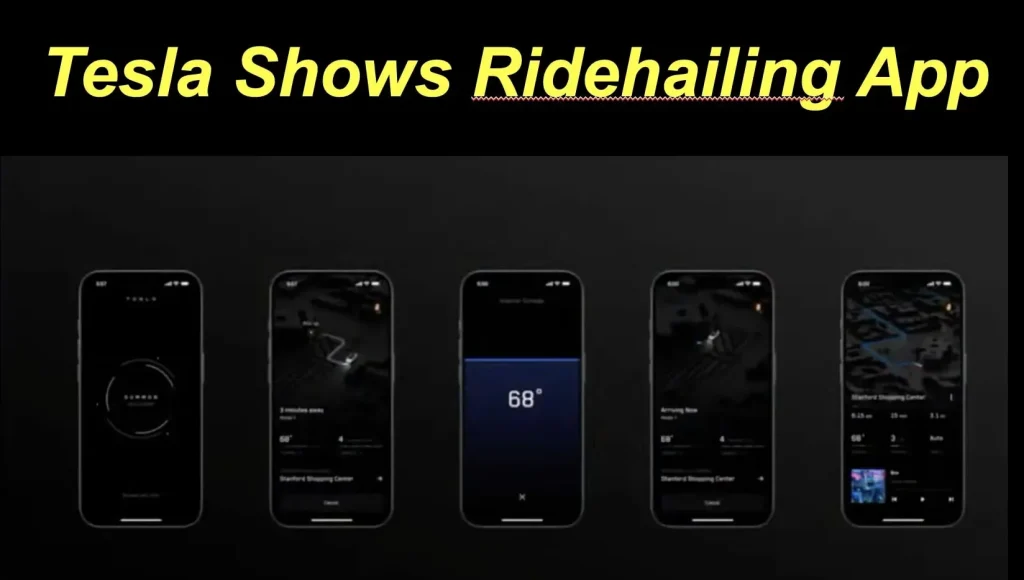
Tesla’s ride-hailing service has officially taken off in Texas, marking a significant step for the electric vehicle manufacturer as it seeks to establish itself as a major player in the autonomous transportation sector. With a recently granted permit, Tesla Robotaxi LLC is set to operate as a “transportation network company” throughout the state, allowing it to compete directly with Uber and Lyft. As Elon Musk pushes the boundaries of technology, the implications of this service extend far beyond traditional ride-hailing. The innovative integration of autonomous ride-hailing capabilities promises to revolutionize urban mobility and transform how we think about transportation. With a fleet of Model Y vehicles utilizing advanced driving tech, Tesla is poised to redefine the future of ride-sharing in Texas and beyond, appealing to a growing market looking for alternatives to standard taxi services.
Introducing Tesla’s revolutionary ride-hailing initiative, the company has received authorization to launch its autonomous taxi service in the Lone Star State. Functioning under the banner of a “transportation network company,” this innovative project led by famed entrepreneur Elon Musk aims to disrupt conventional ride-share paradigms set by the likes of Uber and Lyft. As Texas braces itself for this unprecedented shift in transportation dynamics, the move towards a full-scale autonomous fleet poses exciting prospects for both users and the industry. With the potential to enhance convenience and accessibility, the integration of Tesla’s electric vehicles into the ride-hailing market could fundamentally alter the landscape of urban commuting. Thus, the advent of Tesla Robotaxi services is not only about technology but signifies a larger movement towards smarter and sustainable transportation solutions.
Tesla Ride-Hailing Service Launches in Texas
Tesla’s recent approval to operate a ride-hailing service in Texas marks a significant milestone for the company as it vies for a major stake in the autonomous taxi market. With its license, Tesla Robotaxi LLC becomes a recognized transportation network company, allowing it to offer ride-hailing services statewide until August 2026. The introduction of this service means that Tesla can now leverage its cutting-edge electric vehicle technology to enter a sector dominated by established players like Uber and Lyft, potentially changing the landscape of urban mobility.
The initial phase of the Tesla ride-hailing service has been limited to select individuals in Austin, who have predominantly been social media influencers. This approach not only serves as a marketing strategy but also allows Tesla to gather valuable feedback as they refine their autonomous technology. The Model Y vehicles used in the pilot program feature Tesla’s latest driving assistance systems, promoting a hands-on approach by having a safety supervisor present to ensure passenger security during rides.
Elon Musk’s Vision for Autonomous Ride-Hailing
Elon Musk’s ambition for revolutionizing transportation through autonomous ride-hailing services is underscored by his statement claiming Tesla could serve half of the U.S. population by 2025. This vision aligns with Tesla’s long-term strategy to become a leader in the electric vehicle industry while increasing the accessibility of its technology. Musk’s optimism regarding the capacity for robotic taxis to reshape mobility is a significant driving force behind the company’s rapid developments in self-driving technology and its push for regulatory permits.
However, this optimistic outlook is not without challenges. Recent incidents involving Tesla robotaxis disregarding traffic signals have brought scrutiny to the safety of autonomous vehicles. The company is under investigation by federal authorities, reflecting the delicate balance between technological advancement and public safety. As Tesla continues to navigate these regulatory hurdles and safety concerns, its position within the autonomous ride-hailing market remains pivotal as it competes with industry giants.
Impacts of the Texas EV Permit on Tesla’s Operations
The permit granted to Tesla to operate as a transportation network company in Texas signifies more than just an expansion of its business model; it represents a strategic compliance with state regulations that are generally more accommodating toward innovative vehicle technologies. Texas has emerged as a favorable environment for autonomous vehicle testing, which can facilitate Tesla’s ambitions to test and deploy its ride-hailing services effectively. This regulatory support could enable Tesla to scale its operations faster than competitors facing more stringent state regulations.
Moreover, this Texas EV permit allows Tesla to conduct operations with automated motor vehicles without the necessity of a human safety driver. This is particularly crucial as Musk envisions a future where fully autonomous vehicles will dominate the fleet. The implications of this permit extend beyond Texas; its successful demonstration of autonomous ride-hailing could influence legislation in other states, potentially opening up a broader market for Tesla and shaping the future of transportation.
The Role of Tesla Robotaxis in Urban Mobility
As Tesla Robotaxi services begin expanding in urban areas like Austin, they offer a glimpse into the future of mobility—where electric and autonomous vehicles might drastically reduce the need for personal car ownership. With their focus on sustainability, Tesla’s robotaxis could help alleviate traffic congestion and decrease emissions in densely populated cities. By integrating an efficient ride-hailing network into existing public transport systems, Tesla could provide a comprehensive solution for urban transportation challenges.
The presence of Tesla Robotaxis could also spur economic opportunities in urban centers, ranging from job creation in maintenance and support operations to increased accessibility for individuals who previously relied on traditional taxis or rideshare services. Furthermore, as Tesla’s autonomous technology develops, the expectation is that costs associated with ride-hailing would decrease, making these services accessible to a broader demographic, which could lead to a shift in how city dwellers navigate their commutes.
Safety and Regulatory Challenges Faced by Autonomous Rides
Despite the progressive outlook surrounding Tesla’s autonomous ride-hailing services, safety incidents have raised serious concerns. Reports of robotaxis failing to respond appropriately to traffic signals have prompted investigations and media scrutiny. The autonomously driven vehicles’ capacity to navigate complex urban environments without human intervention remains a hotly debated issue, especially among lawmakers and safety advocates, who emphasize the need for stricter oversight before widespread deployment.
Additionally, the recent legal challenges, including a lawsuit from the California DMV, highlight the tense relationship between Tesla’s marketing efforts and the realities of its technology. While Tesla markets its features as autonomous, the reality remains that these systems require human oversight and intervention. This ambiguity poses challenges not only to Tesla’s operations but also to public perception and acceptance of self-driving vehicles as a reliable mode of transportation.
The Future of Tesla’s Autonomous Fleet
Tesla’s long-term goal is clear: to transform its fleet into an entirely autonomous network facilitating seamless ride-hailing. However, the company has made ambitious promises in the past regarding the rollout of its robotaxis, sparking skepticism among industry observers. As Tesla aims to deploy millions of robotaxis, it must overcome technological, regulatory, and consumer trust hurdles that stand in the way of its success. Ensuring that these vehicles operate safely and efficiently is key to maintaining public confidence.
Additionally, while Tesla currently leads the EV market, it faces stiff competition from other autonomous ride-hailing companies, such as Waymo and companies in Asia like Baidu. These competitors have demonstrated advanced capabilities in the autonomous sector, showcasing technology that may leapfrog Tesla’s current offerings. As Musk remains optimistic about Tesla’s future developments, the reality of competition and evolving regulations will shape the path forward in the autonomous ride-hailing arena.
Autonomous Technology and Public Perception
Public perception of autonomous vehicles significantly influences their adoption. Tesla’s high-profile incidents, especially early in its pilot programs, have shaken confidence in the safety and reliability of their robotic taxis. The immense media coverage surrounding these events tends to overshadow the technological advancements the company has made, leading to a gap between public trust and the reality of Tesla’s capabilities.
As Tesla navigates these public relations challenges, effective communication regarding safety measures, technology limitations, and the role of human oversight is vital. The potential for autonomous ride-hailing services to improve public transportation and decrease individual carbon footprints can be compelling selling points if the company can successfully assure the public of the safety and reliability of its vehicles.
Comparing Tesla’s Robotaxi to Competitors
In the competitive landscape of autonomous ride-hailing, Tesla’s robotaxis face considerable challenges from well-established players like Waymo and emerging technologies in different regions, such as Baidu’s Apollo Go in China. While Tesla emphasizes its unique advantages with in-house software development and scalable manufacturing capabilities, its rivals have made significant headway in deploying fully autonomous vehicles in various urban settings.
The advancements by competitors put pressure on Tesla to accelerate its own technology and deployment strategies. As the industry races toward fully autonomous capabilities, every misstep can have far-reaching consequences for investor confidence, consumer trust, and market position. The ability of Tesla to not only keep pace but lead in this rapidly evolving space will be paramount in securing its future dominance.
Challenges in Achieving Full Autonomy with Tesla’s Robotaxis
Realizing the dream of a fully autonomous Tesla fleet comes with numerous technological and regulatory challenges. While the company has made strides in enhancing its Autopilot and Full Self-Driving functionalities, numerous incidents raise concerns about the real-world applicability of these systems. Continuous use in complex urban environments highlights the need for rigorous testing and user education regarding the limitations of the technology.
Moreover, compliance with evolving regulations is crucial as governments tighten standards for safety in the realm of autonomous transportation. The pressure on Tesla to demonstrate reliability and safety in their robotaxi operations will only increase as public scrutiny grows. Overcoming these hurdles is essential not only for the success of its ride-hailing services but also for maintaining Tesla’s reputation as a pioneer in the electric vehicle industry.
Frequently Asked Questions
What is the Tesla ride-hailing service authorized to do in Texas?
The Tesla ride-hailing service, operating under Tesla Robotaxi LLC, has been granted a permit to function as a ‘transportation network company’ in Texas. This license allows Tesla to conduct a ride-hailing business throughout the state, using both human-driven and automated vehicles without the need for a human safety driver on board.
How does Tesla’s autonomous ride-hailing service work?
Tesla’s autonomous ride-hailing service utilizes its electric vehicles, particularly the Model Y, which are equipped with advanced partially automated driving technology. Currently, the service operates with a human safety supervisor in the front passenger seat, ready to intervene if necessary. However, the Texas permit enables future operations with fully automated vehicles without requiring a supervisor.
Who can currently use the Tesla ride-hailing service in Austin?
As of now, the Tesla ride-hailing service in Austin is being piloted with a limited number of invited riders, primarily social media influencers and industry analysts. These users are selected to experience the service and often share their experiences on platforms like X and YouTube.
What impact does Elon Musk’s vision have on the Tesla Robotaxi service?
Elon Musk is optimistic about the potential of the Tesla Robotaxi service, claiming it could serve a significant portion of the U.S. population by the end of 2025. His vision emphasizes the future of autonomous ride-hailing as a major transportation solution, positioning Tesla as a leader in this innovative market.
What safety measures are in place for Tesla’s ride-hailing service?
While Tesla’s ride-hailing service can eventually operate without a human driver due to the Texas permit, current operations include a human safety supervisor present in the vehicle. Additionally, the vehicles are monitored remotely from an operations center to ensure passenger safety during rides.
What legal challenges has Tesla faced in the context of its autonomous ride-hailing service?
Tesla has encountered various legal hurdles, including federal investigations regarding safety incidents involving its Autopilot and Full Self-Driving systems. These challenges encompass product liability lawsuits and a recent ruling that assigned liability to Tesla for a fatal accident involving its technology.
How does Tesla’s ride-hailing service compare to competitors like Uber and Lyft?
With the launch of its ride-hailing service in Texas, Tesla enters a competitive market dominated by established companies like Uber and Lyft. However, Tesla aims to differentiate itself through its autonomous technology and electric vehicles, providing a unique offering within the transportation network company space.
What should passengers expect from Tesla’s robotaxis during rides?
Passengers using Tesla’s robotaxis can expect a unique experience featuring advanced driving technology. While initially there will be human supervisors in the vehicle, the goal is to enhance safety and comfort for riders as Tesla transitions towards fully autonomous operations.
When did Tesla start its limited ride-hailing service in Austin?
Tesla began its limited ride-hailing service in Austin in late June, targeting specific users within the community to pilot its robotaxi technology before a broader rollout.
What recent incidents have raised concerns about Tesla’s autonomous ride-hailing vehicles?
Recent reports highlighted incidents where Tesla’s robotaxis disregarded traffic regulations in Austin, leading to scrutiny from federal regulators. Although there have been no serious accidents, these occurrences raised alarms about the safety of Tesla’s autonomous driving technology.
| Key Point | Details |
|---|---|
| Tesla Permit | Tesla is granted A permit to operate a ride-hailing service in Texas, valid until August 6, 2026. |
| Current Operations | Limited ride-hailing service offered since late June, primarily for select riders, including social media influencers. |
| Vehicle Technology | Model Y vehicles equipped with Tesla’s latest partially automated driving technology are currently in use. |
| Human Oversight | Vehicles are accompanied by a valet or human safety supervisor, with remote monitoring by Tesla employees. |
| Vision for the Future | Elon Musk anticipates that Tesla could cater to half of the U.S. population with autonomous ride-hailing services by 2025. |
| Texas Legislation | A law requiring state approval before commencing driverless operations takes effect this year. |
| Legal Issues | Tesla’s autonomous technology faces various challenges, including crashes, federal investigations, and lawsuits. |
| Autonomy Promises | Despite ambitious claims, Tesla has not achieved widespread robotaxi deployment, trailing behind competitors. |
Summary
The Tesla ride-hailing service represents a significant step forward for the company as it seeks to expand its operational footprint in Texas and challenge established giants like Uber and Lyft. With a robust permit for operation and Elon Musk’s vision for widespread service, Tesla is poised to redefine ridesharing through its advanced autonomous vehicle technology. However, it faces considerable obstacles including legal challenges, safety scrutiny, and competition. As the rollout continues, the evolution of the Tesla ride-hailing service will undoubtedly be closely watched by both advocates of autonomous technology and regulatory bodies.