
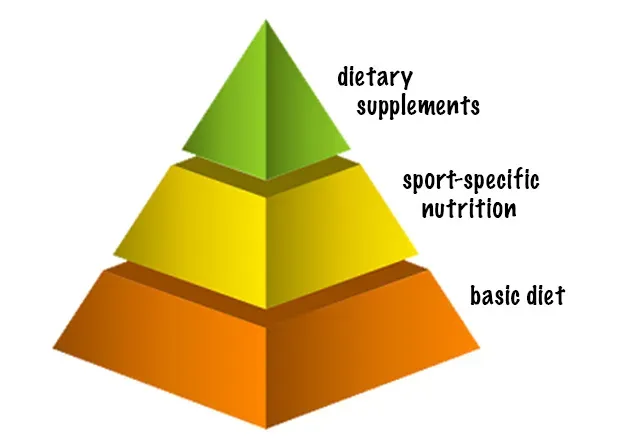
Sports Nutrition Basics lay the groundwork for fueling your body for training, competition, and recovery. In today’s athletic world, understanding these fundamentals can give you a measurable edge whether you are a weekend runner, a collegiate athlete, or a recreational lifter. This guide covers the essential elements of fueling, how to tailor it to your goals, and practical steps you can start implementing today. By prioritizing energy balance, repair through protein, and hydration, you will optimize performance across training cycles. Key concepts include pre-workout nutrition, post-workout nutrition, hydration for athletes, and fueling for peak performance to support consistency.
Beyond the headline terms, athlete nutrition rests on a practical fueling framework that lines up with training stress, sessions, and recovery demands. Think in terms of energy substrates, nutrient timing, and hydration strategies that support performance today and repair tomorrow. This approach uses concepts such as carbohydrate pacing, protein distribution, and hydration optimization to guide daily choices. By embracing these nutrition ideas, athletes at any level can sustain energy, promote muscle adaptation, and stay resilient through varying workloads.
Sports Nutrition Basics: Fuel Up for Peak Performance
Sports Nutrition Basics form a practical framework to fuel your body for training, competition, and recovery. It centers on energy, repair and growth, and hydration, helping you move from vague goals to consistent fueling that supports fueling for peak performance across sports and training levels.
Carbohydrates serve as the primary fuel for most workouts, stored as glycogen in muscles and liver. A sensible daily plan typically targets roughly 3–7 grams of carbohydrate per kilogram of body weight, with higher ranges during heavy training or endurance blocks. Pair carbs with adequate protein (around 1.2–2.0 g/kg) to support muscle repair, and include healthy fats to sustain energy and hormone function.
Hydration for athletes is foundational. Fluid strategy should cover daily intake, electrolytes, and timing around training. For sessions lasting longer than 60 minutes or performed in heat, choose beverages with carbohydrates and electrolytes to sustain power and delay fatigue. Monitoring cues like urine color can help you adjust your hydration plan and stay ready for your next session.
Pre-Workout Nutrition, During-Workout Fuel, and Post-Workout Recovery: Hydration for Athletes
Pre-workout nutrition sets the stage for training. Aim to top off muscle glycogen with a carbohydrate-rich meal or snack 1–4 hours before exercise, prioritizing easily digestible sources and keeping fats and fiber low to minimize GI distress. If training is very soon, a light snack or shake 30–60 minutes prior can provide quick energy, with a small amount of protein to support muscle readiness.
During long or intense sessions, carbohydrate intake helps sustain blood glucose and delay fatigue. Options like sports drinks, gels, or chews can deliver roughly 30–60 grams of carbohydrate per hour, adjusted to your body and workout. If you sweat heavily or practice in hot conditions, include electrolytes to replace salts and maintain performance.
Post-workout nutrition is the critical recovery window. Within 30–60 minutes after training, target about 0.3–0.6 grams of carbohydrate per kilogram of body weight and 0.2–0.5 grams of protein per kilogram to support glycogen resynthesis and muscle repair. Rehydration with fluids and electrolytes should also be prioritized to restore sweat losses and readiness for your next session.
Frequently Asked Questions
What are the core elements of Sports Nutrition Basics, and how do they support fueling for peak performance?
Sports Nutrition Basics focus on three core ideas: energy from carbohydrates and fats, repair and growth through protein, and hydration with electrolytes. For fueling peak performance, combine timing strategies with quality choices: use pre-workout nutrition to top off glycogen stores, stay hydrated to support endurance, and apply post-workout nutrition to accelerate recovery and muscle repair. In practice, aim for balanced meals, consistent protein spread across the day, and hydration tailored to training demands and environment.
How can I apply Sports Nutrition Basics to a training week with pre-workout, during-workout, and post-workout nutrition to optimize performance and recovery?
Apply these basics by timing your meals around training. Have a carbohydrate-rich meal 1–4 hours before exercise (plus a light pre-workout snack if needed), and during long or intense sessions consume 30–60 g of carbohydrates per hour with fluids and electrolytes. After training, target about 0.3–0.6 g/kg carbs and 0.2–0.5 g/kg protein to support glycogen resynthesis and muscle repair, while rehydrating to replace sweat losses. Hydration should reflect climate and sweat rate, and you can tailor plans to goals such as endurance or strength to optimize performance.
| Topic | Key Points | Practical Tips |
|---|---|---|
| Energy & Fuel Sources | Carbohydrates are the primary fuel for most training; fats provide a dense energy source. Carbs are stored as glycogen in muscle and liver and are important for high‑intensity efforts. Daily carb needs typically range around 3–7 g/kg body weight during normal training, with higher amounts during intense prep or endurance events. | Plan carbs around training load and body weight; choose quality carbohydrate sources; adjust upward during heavy training or endurance blocks. |
| Protein & Repair | Protein supports muscle repair, adaptation, and immune function. Distribute protein across meals to maximize muscle protein synthesis. Target about 1.2–2.0 g/kg/day, adjusted for training intensity and recovery needs; prioritize lean proteins and a complete amino acid profile. | Aim for steady protein across meals; emphasize post‑workout intake; choose high‑quality sources (lean meats, dairy, eggs, legumes, soy). |
| Fats & Micronutrients | Healthy fats are essential for energy and physiological function. Typical intake is 20–35% of total daily calories from fats, focusing on high‑quality sources (fish, avocados, nuts, seeds, olive oil) and minimizing ultra‑processed options. | Include fats as part of a balanced plan; prioritize minimally processed fat sources; balance total calories with training demands. |
| Hydration & Electrolytes | Hydration is foundational; even mild dehydration can impair endurance and cognition. Monitor urine color (pale straw is good) and tailor fluids to duration, environment, and sweat loss. For sessions >60 minutes or in heat, use a beverage with carbohydrates and electrolytes. | Drink to thirst daily; for workouts long or hot conditions, include electrolytes and carbs; adjust fluid strategy based on environment and urine color. |
| Timing: Pre-, During-, Post‑Workout | Pre: 1–4 hours before training to top off glycogen with easily digestible carbs; morning sessions may use a light snack 30–60 minutes prior. During: 30–60 g carbs per hour for long or hard efforts; include electrolytes in hot conditions. Post: 0.3–0.6 g/kg carbs and 0.2–0.5 g/kg protein within 30–60 minutes to support glycogen resynthesis and muscle repair; rehydrate with electrolytes as needed. | Keep meals light and digestible pre‑workout; choose sports drinks, gels, or small snacks during workouts; prioritize post‑workout recovery in the 30–60 minute window. |
| Personalization & Practical Tips | Nutrition should be tailored to your body weight, training load, climate, and tolerance. Use a 2–3 week food and performance log to track how you feel and perform, then adjust portions and timing as needed. | Start simple, log responses, and adjust for endurance vs. strength goals; consider phase shifts (base, build, peak) to guide fueling changes. |
| Sample Day (Fueling Across Phases) | Meals illustrate balanced fueling across the day: breakfast with complex carbs and protein; pre‑workout carbs; balanced lunch; pre‑workout snack; during longer sessions carbs/electrolytes; post‑workout recovery with carbs and protein; evening snack for overnight recovery. | Use flexible meals that align with training times and personal tolerance; swap foods while maintaining carbohydrate and protein targets. |
| Training Goals & Phase Emphasis | Endurance athletes often benefit from higher carbohydrate emphasis on heavy training days; strength/power goals may prioritize protein and post‑workout recovery meals. | Adjust carbohydrate and protein focus to support the current training objective and phase. |
| Common Mistakes & Avoidance | Skipping meals or under‑fueling; overemphasizing one nutrient; neglecting hydration; relying on supplements over whole foods; ignoring individual responses. | Plan ahead, balance macros, hydrate consistently, and tailor strategies to your body and workouts. |
| Putting It All Together | Sports Nutrition Basics provides a practical framework you can apply across training cycles to support energy, recovery, and performance. | Use these basics as a flexible guide: personalize, track, and adjust as you train for endurance, team, or strength goals. |
Summary
Sports Nutrition Basics lie at the heart of athletic success. This descriptive overview explains how fueling decisions influence energy, performance, and recovery across training cycles, covering carbohydrates, protein, fats, hydration, timing, personalization, and practical strategies to sustain progress. By applying these basics consistently, athletes can optimize energy availability, enhance recovery, and adapt to changing training demands.