
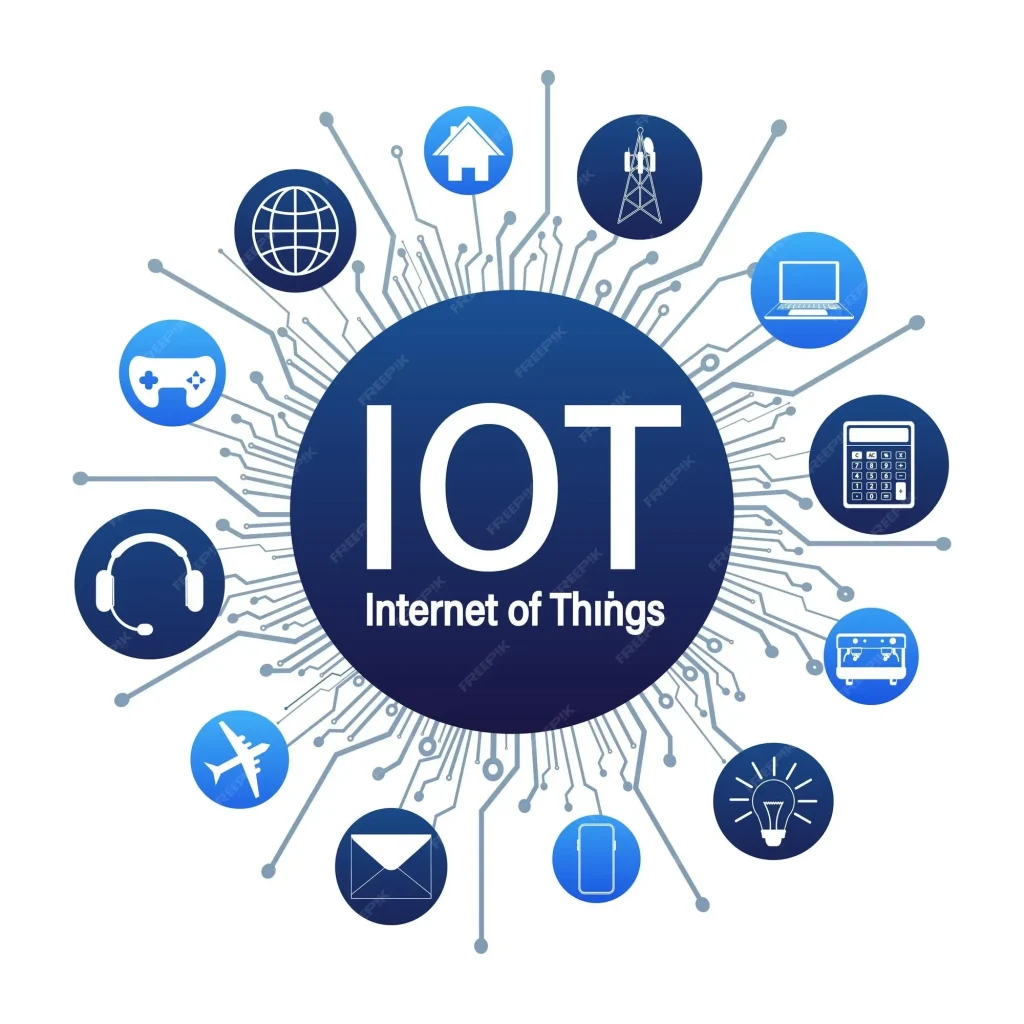
The Internet of Things is a broad ecosystem of physical devices, sensors, software, and connectivity that enables everyday objects to collect and exchange data. Far from a science fiction concept, this network underpins technologies we use at home, at work, and in public spaces, including smart homes and smart cities. When we describe the connected landscape, we are looking at how devices interact, how data is generated, and how decisions are made, with home automation playing a central role. This transformation empowers connected devices to monitor conditions, optimize energy use, and support convenient routines through apps, dashboards, and voice control. Understanding this evolving system helps readers see the practical benefits and ongoing challenges of living with a more intelligent, interconnected world.
Beyond traditional devices, the topic is best understood as a digital ecosystem where sensor networks, cloud services, and internet-enabled devices collaborate to sense, decide, and act. From a city perspective, urban infrastructure becomes smarter through networked sensors, automated controls, and data-driven management of traffic, energy, and public services. This shift emphasizes interoperability, security by design, and scalable architectures that can accommodate new devices without disrupting workflows. In homes, this translates into seamless automation, responsive lighting, intelligent climate control, and proactive maintenance powered by analytics. Taken together, the modern fabric of connected devices and intelligent systems forms an ecosystem that extends well beyond gadgets into everyday life.
The Internet of Things at Home and Beyond: How IoT Enables Smart Homes and Connected Devices
The Internet of Things is a broad ecosystem of physical devices, sensors, software, and connectivity that enables everyday objects to collect and exchange data. In households, this infrastructure powers smart homes and connected devices, turning ordinary items into responsive, data-driven partners for daily life. Through home automation, devices like thermostats, lighting, cameras, and wearables can communicate and coordinate to create more comfortable, convenient, and energy-efficient environments.
At its core, IoT relies on sensors, actuators, and secure connectivity to generate continuous streams of information that can be analyzed to optimize performance. This data-driven approach supports intelligent decisions—such as adjusting temperatures based on occupancy patterns or lights responding to presence—while enabling remote monitoring and control via apps. As devices from different brands interoperate within a robust ecosystem, the potential for smarter homes and more connected living grows, underscoring the importance of interoperability and security in home automation.
Smart Homes and IoT: Security, Efficiency, and Everyday Convenience
Smart homes illustrate how the Internet of Things translates into tangible benefits for daily life. A constellation of connected devices works together to enhance comfort, reduce energy use, and strengthen security. For example, smart thermostats learn routines to minimize heating and cooling costs, while occupancy sensors and tunable lighting adapt to time of day and activity, all coordinated through a central hub or voice-assisted interface.
Beyond convenience, IoT-enabled systems empower data-driven decisions that optimize resource use. Smart appliances can monitor consumption patterns and provide recommendations, while home automation sequences—such as lights dimming, climate adjustments, and security arming at bedtime—demonstrate how connected devices can simplify routines. However, this interconnectedness also highlights privacy and security considerations, making device provenance, firmware updates, strong authentication, and network segmentation essential practices for maintaining a safe, scalable smart home ecosystem.
Smart Cities and the IoT: From Urban Infrastructure to Citizen-Centric Services
If smart homes show personal benefits, smart cities demonstrate IoT’s potential at scale. A city-wide network of sensors and connected systems can monitor traffic, air quality, energy usage, waste, and public safety, enabling authorities to respond quickly and allocate resources more efficiently. Real-time data from environmental sensors and smart grids helps planners reduce emissions, improve transit, and support sustainable urban development.
Public safety and quality of life improve when data from cameras, sensors, and municipal systems is integrated into centralized operations centers. The Internet of Things makes energy and utilities management more dynamic through demand-response programs and smarter infrastructure that accommodate renewable energy. Achieving these outcomes requires reliable connectivity, standardized data formats, and strong cybersecurity measures to protect critical infrastructure while maintaining trust with residents.
Frequently Asked Questions
What is the Internet of Things (IoT) and how do smart homes use connected devices to automate daily life?
The Internet of Things (IoT) is a network of physical objects embedded with sensors, actuators, and connectivity that collect and exchange data. In smart homes, connected devices like thermostats, lights, cameras, and appliances use IoT to learn routines, automate tasks, save energy, and enhance security. A home automation platform coordinates devices, processes data, and enables remote control via apps or voice assistants. For privacy and security, keep firmware updated, use strong passwords, and segment networks.
What should cities consider when deploying IoT-powered smart cities to improve services and quality of life?
Smart cities use IoT sensors and connected systems to optimize traffic, energy, waste, and public safety. Key considerations include reliable connectivity, standardized data formats, and robust cybersecurity to protect critical infrastructure. Interoperability across agencies and vendors reduces silos and improves data quality. Transparent data governance, privacy protections, and resident engagement build trust. When well planned, IoT-driven smart cities can reduce congestion, lower emissions, and provide better city services.
| Aspect | Key Points |
|---|---|
| Definition |
|
| Core components |
|
| How it works in practice |
|
| Smart Homes |
|
| Smart Cities |
|
| Data privacy and security |
|
Summary
The Internet of Things represents a context-shifting evolution in how we live and interact with technology. The Internet of Things enables smart homes, smarter cities, and broader connected systems that bring convenience, efficiency, and new capabilities through automation and data-driven decision making. Alongside these benefits come important considerations around privacy, security, interoperability, and governance, which require proactive design, robust protections, and clear data policies. Looking ahead, trends such as edge computing, 5G connectivity, and advanced AI will push the Internet of Things toward faster insights, more scalable deployments, and greater inclusivity, while emphasizing responsible data stewardship. By embracing interoperable and secure IoT ecosystems, individuals and communities can enjoy enhanced quality of life and more resilient infrastructure powered by the Internet of Things.