
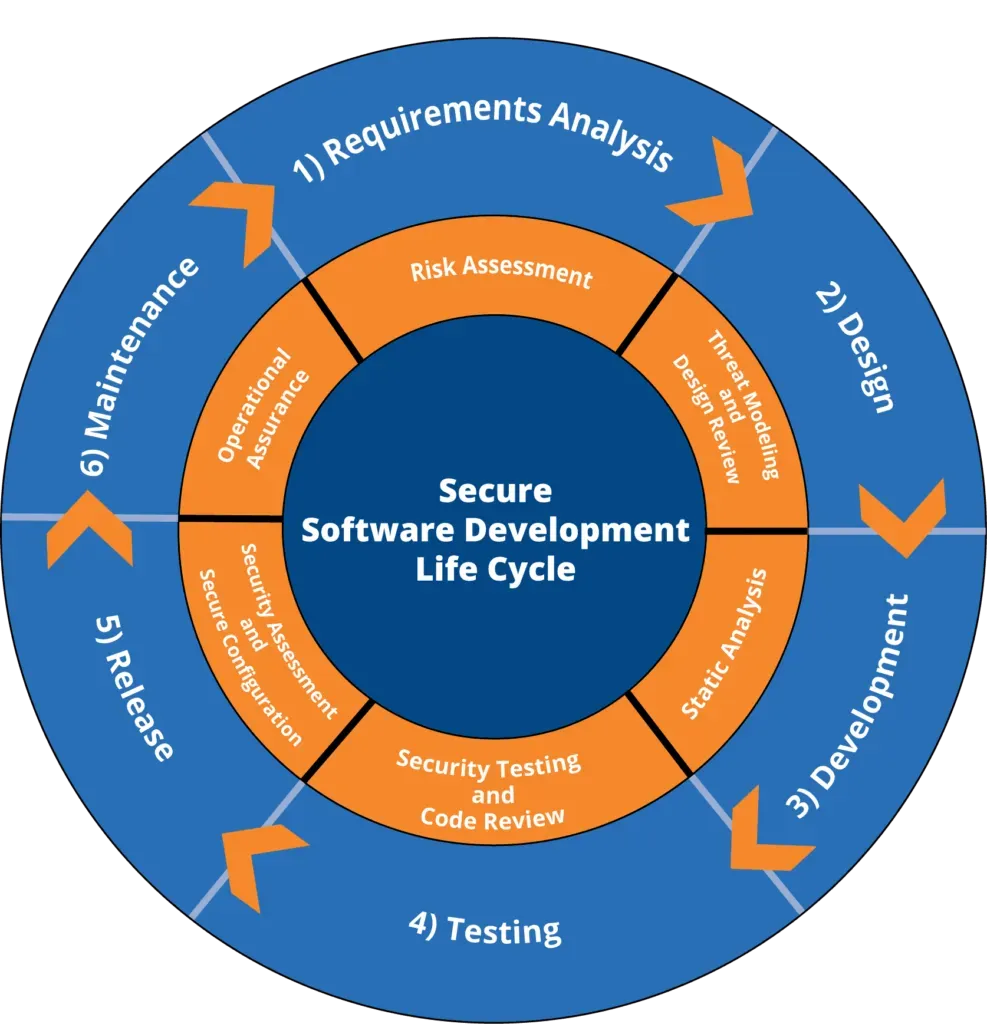
Secure Software Design is not just a checkbox; it anchors reliable, trustworthy applications from the start, shaping how teams think about risk. In modern development, following secure software design principles helps bake safety into architecture, not patch it after deployment. It guides decisions through threat modeling in software development and the application of software design patterns for security. Avoid security pitfalls in software design by pairing defense-in-depth with secure coding practices, rigorous input validation, and robust error handling. By embedding these ideas early, teams ship features with confidence and build software that remains safe as threats evolve.
Viewed through an alternate lens, secure by design emphasizes architecture that minimizes risk from the outset, not after launch. This approach leverages defensive programming, risk-aware architecture, and policy-driven controls to shape software systems. As teams map data flows and trust boundaries, terms like threat modeling, application security planning, and secure coding culture help align developers and operators. By focusing on resilience, auditable behavior, and least privilege, organizations can reduce attack surfaces while maintaining velocity.
Secure Software Design: Embedding Security Principles into Architecture
Secure Software Design begins with a clear set of enduring principles that guide every architectural decision. Framing the system around secure software design principles helps teams design for least privilege, defense in depth, fail safe defaults, complete mediation, and privacy by default. By keeping data secure in transit and at rest, and by treating security as a foundational constraint rather than an afterthought, organizations can reduce risk early in the software lifecycle. This principled approach also supports ongoing discipline across the stack, ensuring that security considerations are baked into design reviews, configuration management, and deployment practices.
From principles to practice, teams translate intent into actionable patterns. Layered security, API security patterns, input validation, and output encoding become concrete design decisions that harden interfaces and data flows. Encryption in transit and at rest protects confidentiality, while token-based authentication and short-lived sessions limit exposure in distributed environments. Keeping credentials out of source code and logs through secret management patterns is essential, as is aligning infrastructure, software design, and operations with a secure design mindset. By grounding decisions in these patterns, organizations can achieve secure defaults and resilient architectures.
Threat Modeling in Software Development and Secure Coding Practices for Resilient Systems
Threat modeling in software development is a structured activity that helps teams identify potential attackers, valuable assets, and the paths an adversary might exploit. By applying frameworks such as STRIDE or PASTA, teams map trust boundaries, catalog critical assets like user data and credentials, and translate threats into concrete mitigations. This proactive approach ensures that security risks are prioritized and addressed early in the design process, reducing costly fixes later in the lifecycle.
Pairing threat modeling with secure coding practices translates analysis into action. Teams implement defensible coding standards, enforce input validation at every boundary, and adopt robust authentication and authorization controls. Emphasis on secure coding practices includes using memory-safe languages or safe libraries, designing secure APIs with minimal surface area, and ensuring logs do not reveal secrets. Regular static and dynamic analysis, combined with continuous learning, helps identify and remediate issues related to security pitfalls in software design, while centralized secrets management and automated checks in CI/CD pipelines reinforce a resilient security posture.
Frequently Asked Questions
What are the essential secure software design principles and how do they influence software design patterns for security?
Secure software design principles guide decision-making across the stack. Key principles include least privilege, defense in depth, fail-safe defaults, complete mediation, and securing data in transit and at rest with privacy by default. From these principles, software design patterns for security translate intent into architecture: layered security, API security patterns with strong authentication and authorization checks, input validation and output encoding, encryption, token-based authentication, and secure secret management. Embedding these patterns early in the architecture ensures a safer by design approach, rather than addressing security as an afterthought.
How does threat modeling in software development integrate with secure coding practices to reduce security pitfalls in software design?
Threat modeling in software development is a structured activity to identify attackers, assets, and attack paths. Use frameworks such as STRIDE or PASTA to map threats to concrete mitigations—input validation, strict authentication, robust authorization, auditing, and anomaly detection—and pair them with secure coding practices. Build defense into code with boundary validation, fail-safe error handling, and predictable behavior under failure. Favor memory-safe languages, minimize surface area with secure API design, encrypt sensitive data, manage keys securely, and ensure logs do not reveal secrets. Regular static and dynamic analysis, plus ongoing training, help avoid common security pitfalls in software design, while CI/CD integration enforces repeatable security checks.
| Section | Key Points | Notes |
|---|---|---|
| Introduction | – Not an afterthought; foundation of reliable, trustworthy apps. – Security starts from the first line of architecture. – Explains what secure software design means, why it matters, and how to embed it. – Covers core principles, practical design patterns, and common pitfalls. – Aims to help teams ship features with confidence. | |
| Principles | – Least privilege: minimum permissions for components/services. – Defense in depth: multiple protective layers. – Fail-safe defaults / secure-by-default settings. – Complete mediation: every access request is checked. – Data security in transit and at rest; privacy by default. – Principles are ongoing disciplines across the stack. | |
| Patterns | – Layered security across layers. – API security: strong authentication, authorization checks, rate limiting. – Input validation and output encoding. – Encryption in transit and at rest. – Token-based authentication and short-lived sessions. – Secret management: keep credentials out of code/logs. – Align infrastructure, software design, and operations. | |
| Architecture Styles | – Microservices: clear boundaries, strict access controls, signed tokens. – Monoliths: module boundaries, centralized input validation, secure config store. – Regardless of style, threat modeling and disciplined design reviews are essential. | |
| Common Pitfalls | – Threat modeling neglected early. – Overreliance on frameworks; false sense of security. – Outdated or unvetted dependencies; use software composition analysis (SCA). – Hidden secrets in code/logs/config. – Inadequate error handling leaking data. – Overly permissive access or undocumented privilege escalations. – Security as a one-time checkbox; requires ongoing testing and updates. | |
| Threat Modeling & Secure Coding | – Threat modeling identifies attackers, assets, paths. – Frameworks like STRIDE or PASTA guide threats and mitigations. – Map assets, trust boundaries, exposure risks. – Mitigations: input validation, strong auth, robust authorization, auditing, anomaly detection. – Pair with secure coding: defense-in-depth, boundary validation, fail-safe behavior, memory-safe practices. – Encrypt data, manage keys, avoid secrets in logs. – Regular static/dynamic analysis; ongoing training. | |
| Practical Implementation | – Security requirements part of product goals. – Architecture reviews: trust boundaries, data flows, adversaries. – Cross-functional design reviews (security, development, operations). – CI/CD security checks; software composition analysis (SCA). – Defensive programming; centralized configuration management. – Secure defaults; no hard-coded credentials. – Production monitoring/alerting for anomalies. – Continuous learning culture. | |
| Real World Examples | – Web service with user accounts and payments: strong authentication, API tokens/scopes; encrypted data flows; key management. – Input validation and output encoding; signed tokens for inter-service calls. – Centralized secrets management; regular security testing (SCA, SAST, DAST). – Monoliths: same principles—clear boundaries, validated inputs, robust error handling, disciplined deployment. | |
| Starting Today | – Treat security as a design constraint; plan accordingly. – Identify assets, potential attackers, and consequences; use threat modeling. – Integrate mitigations into architecture decisions; adopt security patterns early. – Train teams in secure coding; automate checks; inventory dependencies. – Implement strong secret management; establish review cadences and post-incident learning. | |
| Conclusion (from Base Content) | – Secure Software Design is an ongoing discipline that yields reliability, trust, and resilience. – By following core principles, applying proven security patterns, and avoiding common pitfalls, teams ship safer-by-design software. – Success requires people, processes, and technology, working together to reduce risk while delivering value. – As threats evolve, design practices must adapt to keep software robust, maintainable, and secure by default. |
Summary
HTML table successfully created to summarize the key points of the base content on Secure Software Design.