
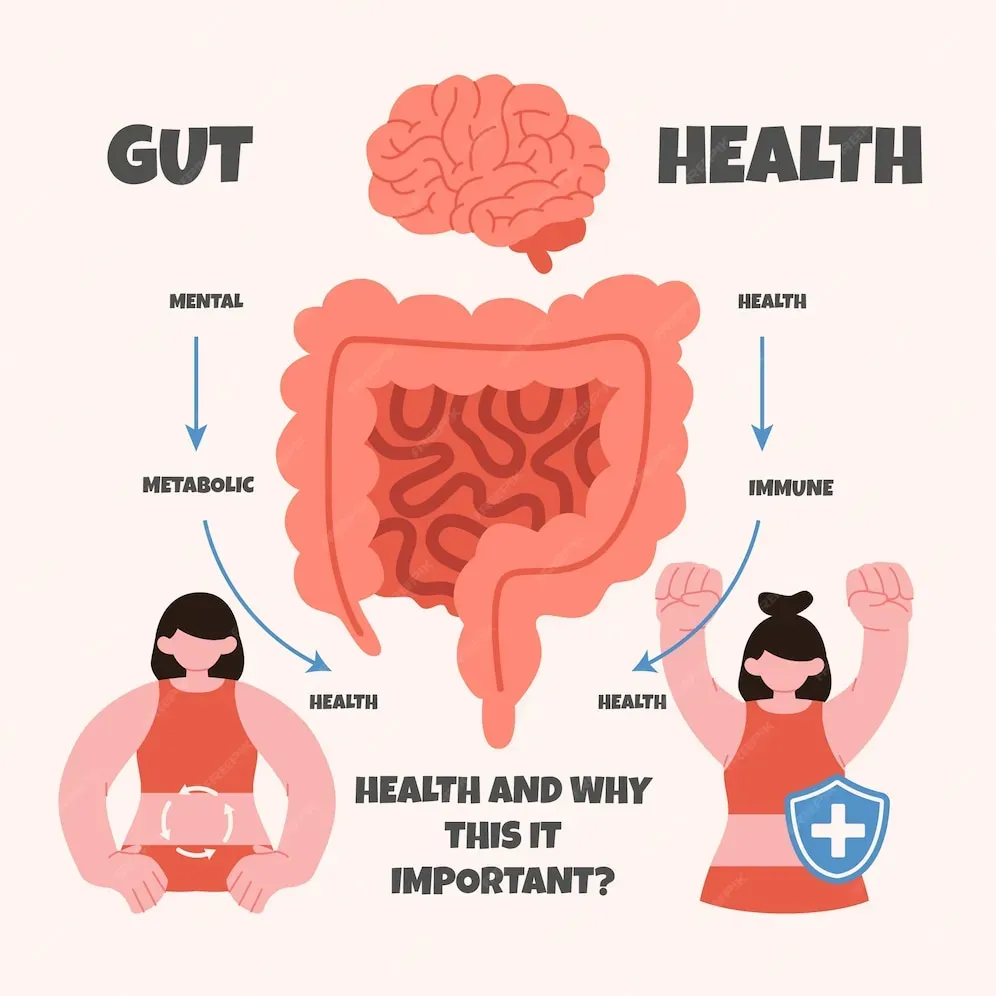
Gut Health Demystified opens with a practical look at what keeps your gut functioning, from digestion to energy, and why everyday choices matter. Understanding gut health means more than avoiding bloating; it’s about the dynamic interplay between your gut, the microbiome, and the foods you eat. Probiotics and dietary fiber play starring roles in supporting digestive wellness, helping balance bacteria and fuel the gut’s metabolism. A healthy microbiome supports nutrient absorption, immune function, and even mood, making mindful dietary habits a form of self-care. By focusing on simple, science-backed steps—like choosing probiotic foods, incorporating fiber-rich plants, and staying hydrated—you can demystify how your gut health works in daily life.
To approach this topic from a broader angle, think of intestinal health as a living ecosystem within your GI tract, where a diverse microbial community informs digestion, immunity, and energy levels. Rather than focusing on a single nutrient, consider the relationship between dietary components, such as soluble and insoluble fibers, and the flourishing gut ecosystem that produces beneficial metabolites. In this view, probiotics are one tool among many that can nudge the colon’s microbiota toward balance, while fiber-rich foods act as priming fuel for the gut’s cells. By examining lifestyle factors—hydration, sleep, stress management, and regular activity—you gain a clearer picture of digestive wellness that aligns with a healthy microbiome.
Gut Health Demystified: How Probiotics and Dietary Fiber Shape Your Microbiome for Digestive Wellness
Gut health is the foundation of overall digestive wellness, reflecting the well-being of the gastrointestinal tract and the vast community of microbes that make up the gut microbiome. Probiotics and dietary fiber play central roles in shaping this ecosystem: probiotics introduce beneficial bacteria, while dietary fiber feeds and promotes a diverse microbial community. When these elements are balanced, digestion becomes smoother, nutrient absorption improves, and the body’s immune and metabolic functions can operate more efficiently.
To make probiotic and fiber benefits meaningful, choose evidence-based strains and fiber sources that support the microbiome’s diversity. Probiotics from fermented foods (like yogurt, kefir, sauerkraut, and kimchi) or targeted supplements can help with specific outcomes such as digestive comfort or barrier function, provided you select strains with demonstrated effects and appropriate dosages. Pair these with a variety of dietary fiber—soluble and insoluble—to feed different bacteria, promote short-chain fatty acid production, and sustain digestive wellness over time.
Nurturing a Balanced Microbiome: Practical Steps with Probiotics, Dietary Fiber, and Lifestyle Habits
A practical approach to gut health starts with daily choices that support the microbiome and overall digestive wellness. Build meals around a spectrum of fiber-rich foods—vegetables, fruits, whole grains, legumes, nuts, and seeds—and incorporate at least one probiotic-containing food each day. This combination helps diversify the gut microbiome, improves stool regularity, and fortifies the gut barrier. Awareness of how different fibers feed different bacteria highlights the importance of variety for a more resilient digestive system.
Beyond diet, lifestyle factors such as regular physical activity, adequate sleep, and stress management contribute to a balanced gut. If antibiotics are necessary, discuss strategies to protect the microbiome during and after treatment, including probiotic foods or supplements and ongoing fiber intake. When digestive symptoms persist or worsen, consulting a healthcare professional can help tailor probiotic strains, fiber targets, and overall lifestyle plans to your unique gut health needs.
Frequently Asked Questions
How does Gut Health Demystified explain the link between gut health, probiotics, dietary fiber, and the microbiome in digestive wellness?
Gut Health Demystified describes gut health as the well‑being of the gastrointestinal tract and its microbiome. It notes that probiotics are live microbes that may benefit health when taken in adequate amounts, with effects that are strain‑specific. Dietary fiber acts as a prebiotic, feeding beneficial bacteria and supporting a diverse microbiome. Together, these elements promote digestion, nutrient absorption, immune function, and overall digestive wellness. Practical takeaways include choosing evidence‑based probiotic strains, gradually increasing fiber, staying hydrated, and adopting lifestyle habits that support the gut microbiome.
What practical steps does Gut Health Demystified recommend for improving digestive wellness with fiber and probiotics?
To support digestive wellness per Gut Health Demystified, include daily probiotic‑containing foods (like yogurt, kefir, sauerkraut, kimchi) or a curated probiotic supplement when appropriate, and eat a variety of dietary fiber sources (vegetables, fruits, whole grains, legumes, seeds). Aim for a diverse microbiome with fiber variety, stay hydrated, and maintain regular physical activity, sleep, and stress management. Remember that benefits depend on the individual and are gradual; consult a healthcare professional for persistent symptoms or when considering supplements.
| Topic | Key Points | Notes / Examples |
|---|---|---|
| What gut health is |
|
|
| Probiotics |
|
|
| Dietary fiber and digestive wellness |
|
|
| Prebiotics, polyphenols, and gut-friendly foods |
|
|
| Lifestyle factors |
|
|
| Practical plan to optimize gut health |
|
|
| Addressing common myths |
|
|
| Monitoring & when to seek help |
|
|
Summary
Conclusion: Gut Health Demystified table summary complete. Proceeding to a descriptive conclusion.